
Advantage of The 16th Amendment

An amendment to the U.S. Constitution was ratified in 1913 to resolve difficulties created by judicial invalidation of prior income tax laws, notably in Pollock v. Farmers’ Loan & Trust Co. Through the 16th Amendment, Congress was granted authority to levy and collect taxes on incomes without apportionment among the states, thereby establishing a permanent […]
The Efficient And Simplified Tax Reform Act of 1986
The Tax Reform Act of 1986 was a comprehensive restructuring of the Internal Revenue Code, guided by a philosophy of broadening the tax base while lowering rates to enhance fairness and efficiency. Individual tax rates were reduced, while corporate rates were cut, reflecting a shift toward neutrality. Capital gains were taxed at ordinary income rates, […]
AICPA — Professional, Reliable, Ethical, Trustworthy

The American Institute of Certified Public Accountants (AICPA) was founded in the late 19th century and evolved into a global professional body. Its mission is the advancement of the accounting profession. To that end, standards are issued in auditing, tax services, consulting services, and peer review to ensure consistency and quality in practice. Its membership […]
Title 26 — Comprehensive Codification of The Internal Revenue Code of 1954

The Internal Revenue Code of 1954 was enacted as a comprehensive reorganization of federal tax law, presaged by the Revenue Act of 1939, whose consolidation revealed the necessity of a modern codification. It was legislatively adopted by the 83rd Congress and signed into law to establish Title 26 of the United States Code as the […]
The Internal Revenue Code of 1939 — Simplified
In 1939, the Internal Revenue Code (Revenue Act oof 1939) was enacted to organize scattered tax statutes into a coherent framework. It was defined as the consolidation of permanent and temporary provisions, ensuring clarity and continuity in federal taxation. It traces to the earlier Revenue Acts, particularly of 1862 and 1913, which had established the […]
The U. S. Securities And Exchange Commission — Transparency And Confidence
The U.S. Securities and Exchange Commission (SEC) was established in 1934 under the Securities Exchange Act, when federal oversight was mandated to restore investor confidence after the Great Depression. Central to the regulation of U.S. capital markets, its mission is the protection of investors, importantly, the maintenance of fair and orderly markets, and the facilitation […]
IFRS vs US GAAP Jumpstart Reconciliation
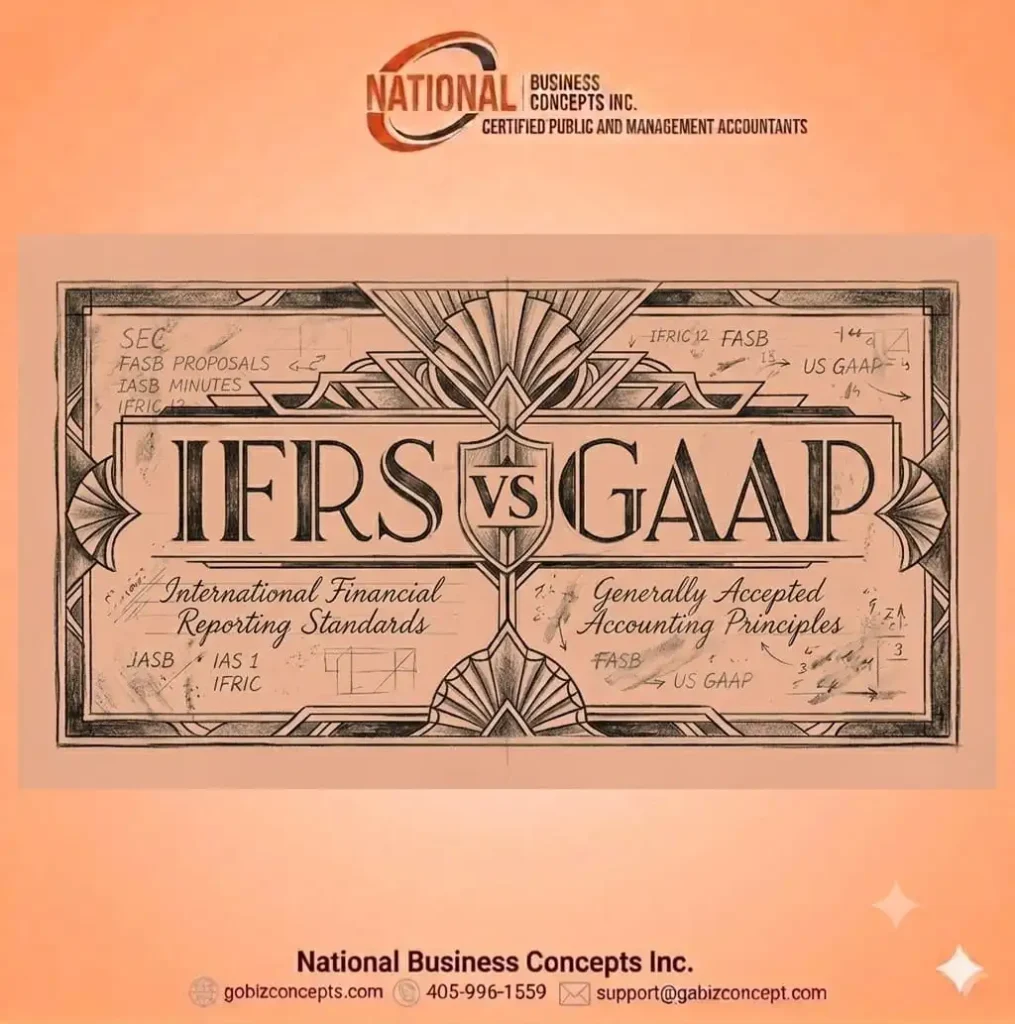
Ongoing convergence between International Financial Reporting Standards (IFRS) and U.S. Generally Accepted Accounting Principles (GAAP), required for companies operating across jurisdictions, is emphasized through reconciliation efforts involving several major standards. Under IFRS 15, revenue is recognized through a principle‑based framework, while ASC 606 codifies similar steps with prescriptive detail. Financial instruments are addressed by IFRS […]
Adaptable International Financial Reporting Standards
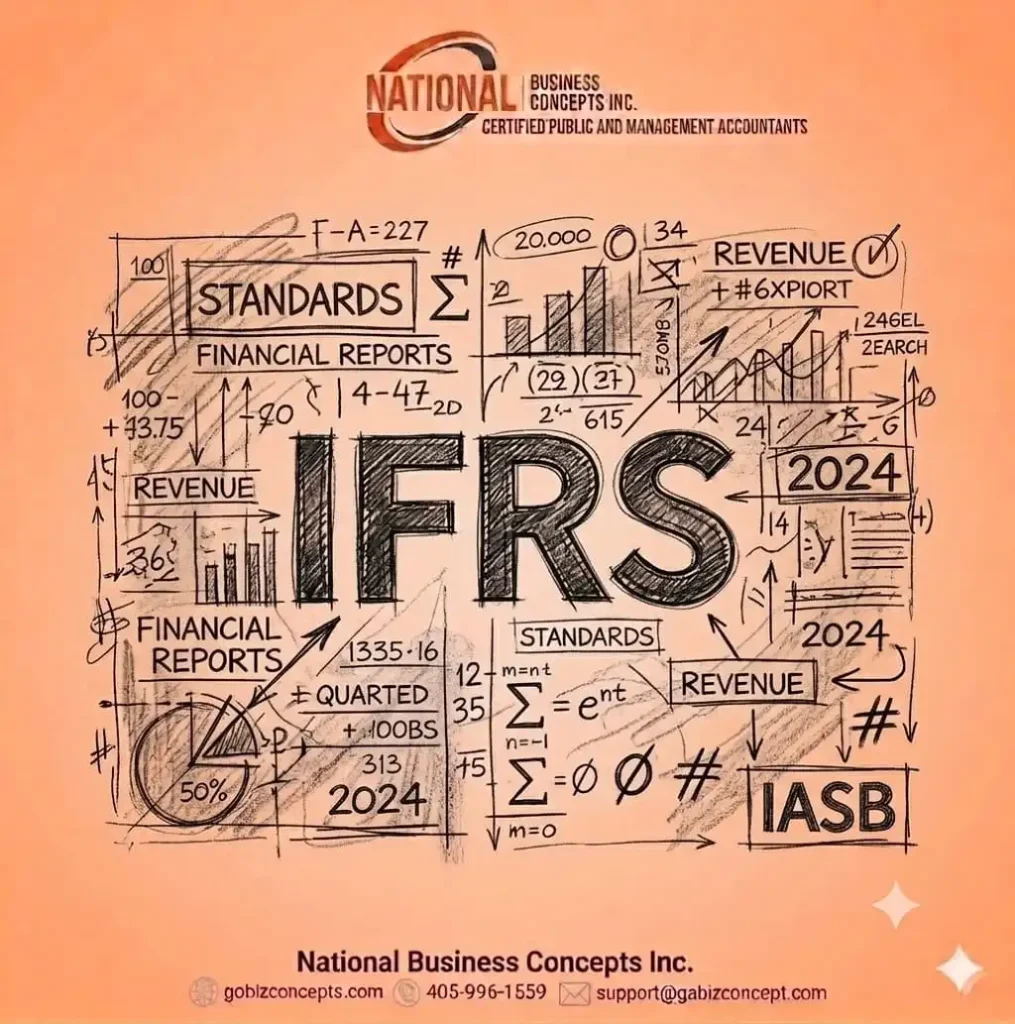
International Financial Reporting Standards (IFRS) are a globally recognized framework of accounting principles developed by the International Accounting Standards Board (IASB) and governed by the IFRS Foundation. The standards, established in London, replaced earlier International Accounting Standards (IAS). IFRS is applicable in over 140 jurisdictions, regulating how financial statements are prepared and presented, ensuring transparency, […]
Generally Accepted Accounting Principles For Accounting Clarity

In the United States, Generally Accepted Accounting Principles (GAAP,) a framework of accounting principles, standards, and codes, are applied to regulate how financial statements are prepared and presented, ensuring comparability and reliability across entities. These principles and standards are codified to represent uniform practices that safeguard stakeholders and uphold legal obligations. The Financial Accounting Standards […]
Destiny — Internal Revenue Service
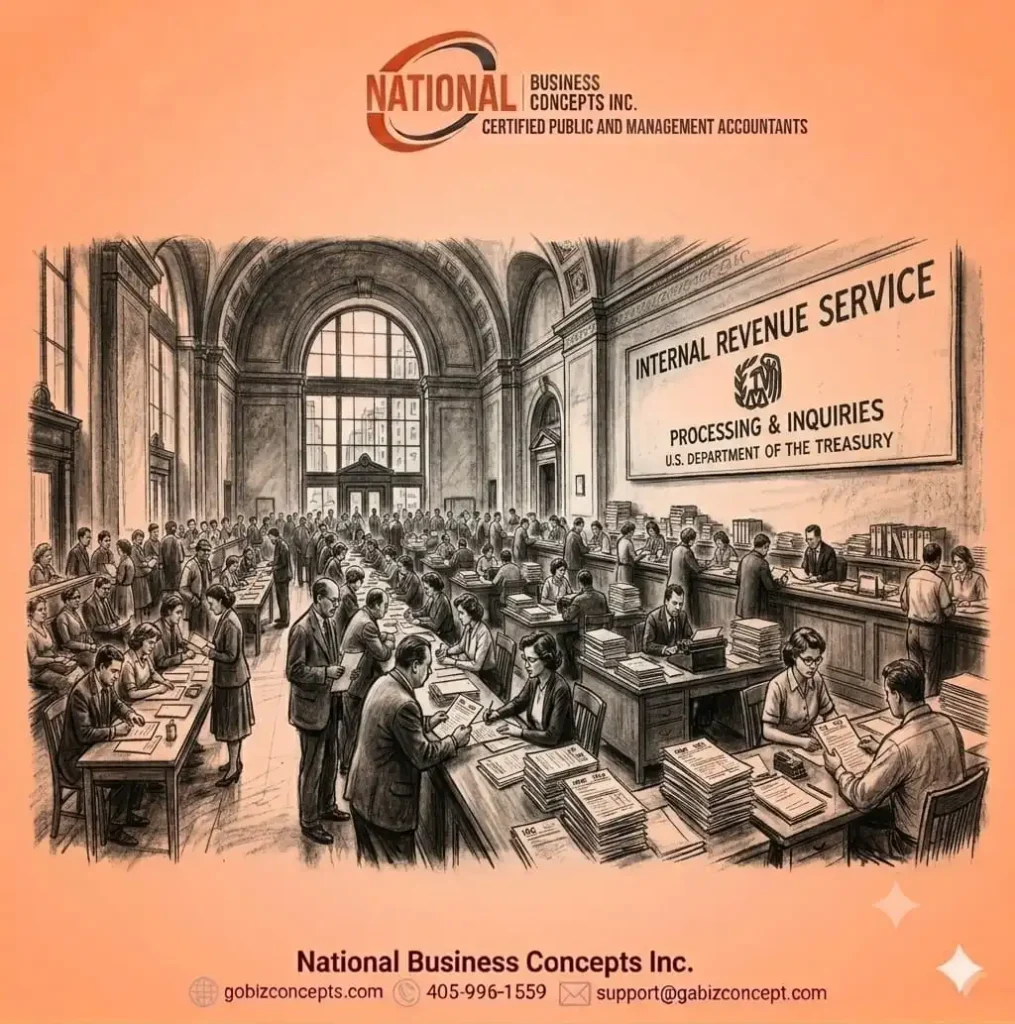
The Internal Revenue Service has been shaped by a long constitutional and legislative history. Its origins were traced to the Commissioner of Internal Revenue and the Bureau of Internal Revenue, both created under the Revenue Act of 1862 to manage Civil War taxation, which included income tax along with tariffs and excise taxes. Permanence was […]