
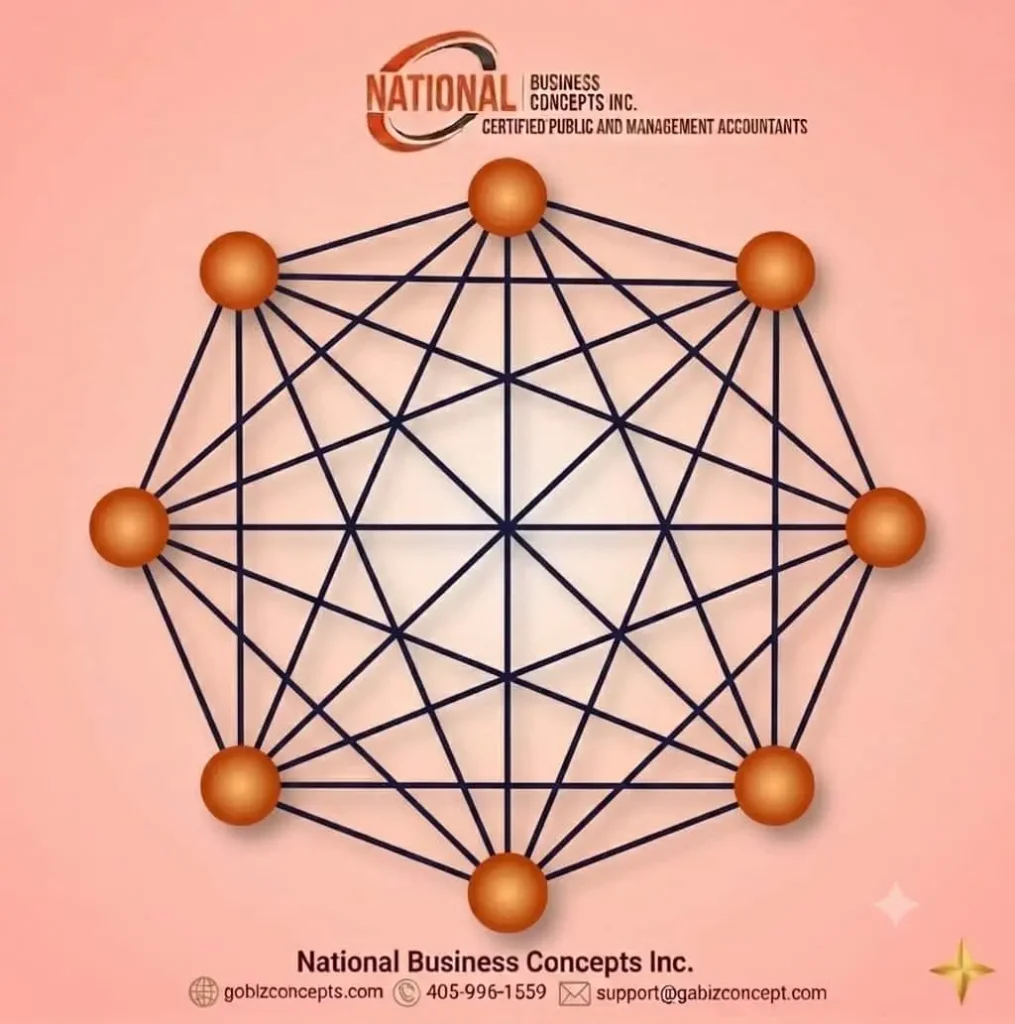
In a service business, the institution of the network effect is regarded as a cornerstone for sustainable expansion and competitive resilience. Particularly, the resolution of the “Chicken and Egg” problem is prioritized, for a two-sided marketplace business, since simultaneous attraction of users and providers is required to establish momentum. But in general, distinct network-types manifest, including direct network effects, two-sided marketplace effects, indirect network effects, and data-driven flywheel effects. In furtherance, organic acquisition loops are cultivated to accelerate adoption, while switching costs and ecosystem lock-in are increased to secure retention. Unlike the viral effect, which emphasizes rapid spread, the network effect compounds value through integration, reinforcing long-term engagement.
The strategic value of instituting the network effect is further recognized as an intangible asset that contributes to economic goodwill. By embedding mechanisms that enhance user retention and participation, service businesses are positioned to generate advantages beyond tangible resources. The compounding benefits of network-driven adoption create enduring market differentiation, which is reflected in elevated valuations and sustained trust. As goodwill is traditionally associated with reputation, customer loyalty, and brand strength, the network effect extends this concept by embedding structural advantages into the business model. Through integration, lock-in, and ecosystem reinforcement, the effect is transformed into a durable intangible resource, aligning with goodwill and amplifying its role in long-term value creation.
Two-Sided Marketplace
In service businesses, two-sided marketplace effects are realized when value is created through the interaction of two distinct groups, typically buyers and sellers, whose participation mutually reinforces each other. As more providers join, consumers are attracted by increased choice and competitive pricing, while greater consumer demand encourages additional providers to enter, thereby strengthening the platform. The interdependence of both sides ensures that growth on one side directly enhances the utility of the other, creating a compounding cycle of adoption. Trust, accessibility, and efficiency are magnified as participation expands, and the marketplace evolves into a self-sustaining ecosystem. Through this dynamic, retention is reinforced, and long-term resilience is embedded, as the platform’s value is continuously elevated by balanced engagement.
Chicken And Egg Problem For Two-Sided Marketplace
In a two-sided marketplace, the “Chicken and Egg” problem is addressed by strategies that ensure simultaneous growth of supply and demand. Initial incentives are often provided to one side of the market, while trust and accessibility are cultivated to attract the other. Early adoption is encouraged through subsidies, promotions, or exclusive benefits, thereby reducing hesitation and creating momentum. Once participation begins, network effects are reinforced as each new user increases value for existing participants. Gradual scaling is achieved by balancing provider availability with consumer engagement, ensuring neither side experiences scarcity or inefficiency. Through deliberate design, the cycle of interdependence is broken, and sustainable growth is established, allowing the service to evolve into a self-reinforcing ecosystem.
For example, Airbnb’s business model is characterized by the mutual reinforcement of hosts and guests within its platform. As more property owners list accommodations, a greater variety and availability are offered, which attracts additional travellers. In turn, increased guest participation incentivizes more hosts to join, thereby expanding supply and enhancing trust in the service. This cycle created a self-reinforcing dynamic where each side’s growth elevated the value of the other, embedding resilience into the ecosystem. Over time, switching costs were raised through reputation systems, reviews, and integration of complementary services, making alternatives less appealing. Airbnb’s growth is sustained structurally, transforming its network into an intangible asset that contributes to its long-term economic goodwill.
Direct Network Effects
In business ecosystems, direct network effects are established when the value of a product or service increases as more users adopt it. Each additional participant enhances the experience for existing users, thereby reinforcing engagement and retention. As examples, communication platforms, social networks, and collaborative tools are strengthened as larger communities are formed, since interaction opportunities are multiplied. The utility of the service is magnified not by external partnerships but by the internal growth of its user base. As adoption expands, switching becomes less attractive, and loyalty is reinforced through collective participation. This compounding dynamic ensures that growth is self-sustaining, as the presence of more users directly elevates the perceived and actual value of the service, embedding resilience into its structure.
Indirect Network Effects
In service ecosystems, indirect network effects are observed when growth in one group of participants increases value for another, thereby indirectly enhancing overall utility. For example, as more users adopt a platform, complementary products or services are incentivized to develop, which in turn enriches the experience for the original users. This dynamic ensures that expansion in one area stimulates innovation and participation in another, creating a reinforcing cycle of adoption. Unlike direct network effects, where value is immediately elevated by additional users, indirect effects operate through secondary channels that magnify utility over time. As ecosystems mature, switching becomes less attractive, and retention is strengthened, embedding resilience and long-term value into the business model.
Flywheel Effects
In service businesses, data-driven flywheel effects are established when user activity generates information that is continuously leveraged to improve the platform. As more interactions occur, data is collected, analyzed, and applied to refine personalization, efficiency, and recommendations, thereby enhancing user satisfaction. Improved experiences attract additional participants, whose activity produces further data, reinforcing the cycle. This compounding mechanism ensures that growth is sustained not only by user numbers but also by the quality of insights derived. Unlike direct network effects, where value is tied to user volume, the flywheel effect is driven by iterative learning and optimization. Over time, retention is strengthened, switching becomes less appealing, and resilience is embedded through the continuous reinvestment of data into service value.
Acquisition Loops And Ecosystem Locks
In service businesses, organic acquisition loops are established when satisfied users naturally attract new participants through referrals, visibility, and shared experiences, thereby reducing reliance on costly marketing. As adoption expands, switching costs are deliberately increased through integration, personalization, and dependency on platform-specific features, making alternatives less appealing. Over time, ecosystem lock-in is reinforced as complementary services, data continuity, and network participation embed users more deeply into the system. This dynamic ensures that retention is strengthened, while growth is sustained by self-reinforcing cycles of acquisition and loyalty. Unlike short-term viral effects, these mechanisms compound value structurally, embedding resilience and long-term differentiation into the business model, thereby transforming user engagement into a durable intangible asset.
The Viral Effect Difference
The viral effect is distinguished by its reliance on rapid and widespread dissemination rather than compounding structural value. Growth is achieved through marketing or when users actively share or promote a product, causing adoption to spread quickly through social channels, word-of-mouth, or digital exposure. Unlike network effects, where utility is increased as more participants join and interact, viral effects emphasize speed and reach, often producing short-term spikes in engagement. The value created is external and dependent on marketing, or user-driven promotion, rather than internal integration or retention mechanisms. As a result, sustainability is less assured, since viral growth may fade once novelty diminishes, whereas network effects embed resilience through long-term interconnected participation.
Manufacturer or Product Supplier Strategy
For a manufacturer or product supplier, the network effect can be instituted by embedding mechanisms that increase value as adoption expands. When more customers use a product, complementary services, accessories, or integrations can be introduced, thereby enhancing utility and encouraging further participation. For example, a supplier of hardware may add a digital platform or service layer that collects usage data, provides updates, or enables community interaction, thereby creating data-driven flywheel effects. As participation grows, switching costs are raised through dependency on integrated services, while ecosystem lock-in is reinforced by compatibility and continuity. Thus, by adding a service to the product, the manufacturer transforms adoption into a self-reinforcing cycle, embedding resilience and intangible value into the business model.
Intangible Asset Share in Goodwill
The network effect participates in goodwill by embedding structural advantages into a business model that extends beyond tangible assets. As more users adopt a service, value is compounded through increased connectivity, trust, and engagement, which enhances reputation and customer loyalty. Unlike physical resources, these benefits cannot be easily replicated, making them a durable source of differentiation. The accumulation of participants creates resilience, raises switching costs, and reinforces ecosystem lock-in, thereby elevating perceived market strength. This intangible dynamic contributes to goodwill by amplifying valuation, since investors and stakeholders recognize the enduring advantage of a self-reinforcing network. Thus, the network effect is transformed into a strategic intangible asset that strengthens long-term business value.
Conclusion
The network effect in service businesses is a cornerstone of sustainable growth, manifesting in forms such as direct, two-sided, indirect, and data-driven flywheel effects. Adoption is accelerated through organic acquisition loops, while retention is secured by raising switching costs and reinforcing ecosystem lock-in. Two-sided marketplaces face the “Chicken and Egg” problem, requiring strategies that balance supply and demand. Direct effects increase value as user numbers grow, indirect effects enhance utility through complementary innovations, and flywheel effects leverage data to refine personalization. Viral effects differ by emphasizing rapid spread rather than structural compounding. Manufacturers can embed services to create similar dynamics. Ultimately, the network effect contributes to economic goodwill by embedding intangible advantages such as trust, loyalty, and reputation into the business model.
By Richard Thomas
