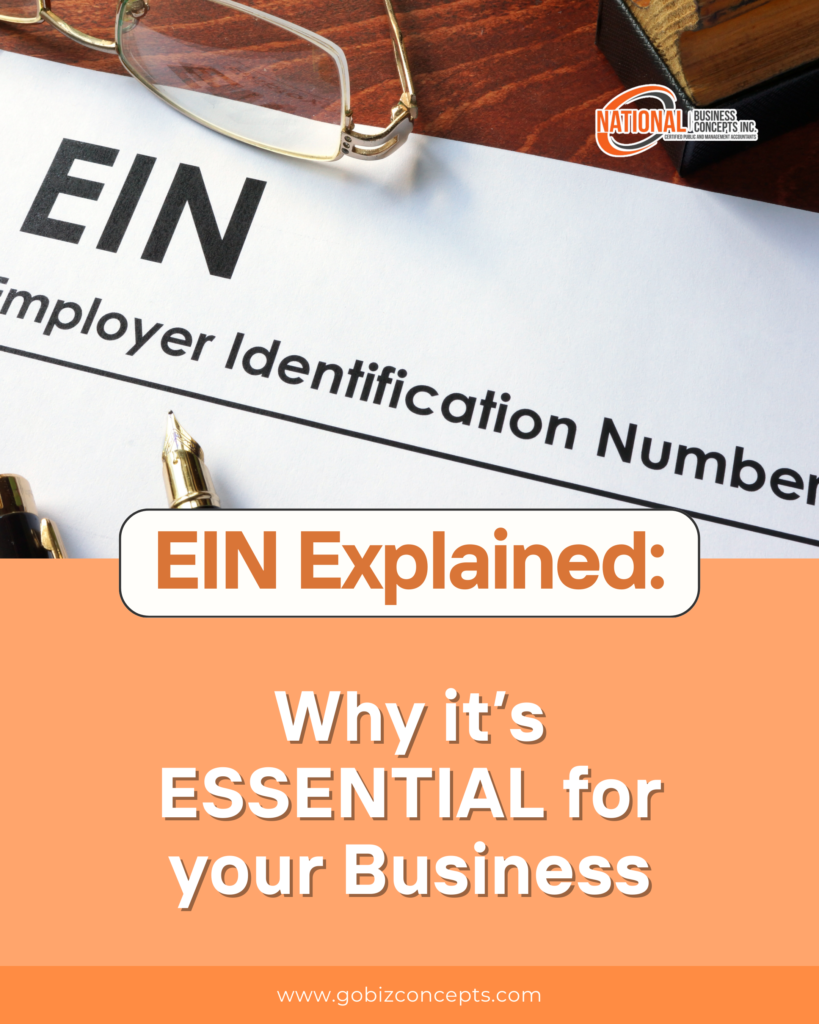
Employer Identification Number History
The Employer Identification Number (EIN) emerged as a regulatory response to the growing complexity of business taxation and entity classification in the United States. Its legislative roots trace back to the Internal Revenue Code, specifically sections 6011 and 6109, which mandate taxpayer identification for filing returns. However, the formal establishment of the EIN system occurred in 1974 under Treasury Decision TD 7306, nearly four decades after the introduction of the Social Security Number (SSN). The SSN was instituted in 1936 as part of the Social Security Act of 1935, designed to track individual earnings and administer retirement benefits. It gradually evolved into a universal identifier for individuals in both public and private sectors.
As business activity expanded and diversified—especially post–World War II—the IRS recognized the need for a distinct identifier for entities that were not natural persons. Inspired by the SSN, the EIN was created to fill this gap, enabling the IRS to efficiently manage employment taxes, corporate filings, and fiduciary responsibilities across a wide range of entity types, including corporations, partnerships, trusts, and nonprofits. Unlike the SSN, which is tied to personal identity, the EIN functions as a structural marker—signalling the existence of a business or fiduciary role within the tax system. Its introduction reflects a broader shift in regulatory architecture: from tracking individual labour to managing institutional complexity. The EIN thus complements the SSN, extending the reach of federal oversight from personal income to organizational accountability.
Employer Identification Number Format
The Employer Identification Number (EIN) is a nine-digit identifier in the format XX-XXXXXXX. The first two digits, known as the prefix, historically indicated the IRS campus that processed the application; however, this geographic link has become less relevant with centralized digital processing. The remaining seven digits are randomly assigned and serve as a unique identifier for the business entity.
In contrast, the Social Security Number (SSN) follows the format XXX-XX-XXXX and is issued by the Social Security Administration to individuals. Originally, the first three digits reflected the geographic region of issuance, but since 2011, SSNs have been randomized to enhance security. The SSN is tied to personal identity and is used for tracking earnings, benefits, and individual tax obligations. While both numbers are nine digits long, their structure and purpose diverge sharply, the EIN being a business-centric identifier, signalling organizational roles and responsibilities.
Employer Identification Number Benefits
Sole proprietorships and corporations, which require them, benefit from the use of EINs. For sole proprietors, obtaining an Employer Identification Number (EIN) offers a range of strategic, operational, and psychological benefits that go far beyond mere regulatory compliance. While the IRS does not require an EIN for sole proprietors without employees, securing one can significantly enhance the legitimacy, flexibility, and future-readiness of such a business.
Personal and Business Boundaries
One of the most immediate advantages is privacy protection. Without an EIN, sole proprietors must use their Social Security Number (SSN) on tax forms, contracts, and vendor applications. An EIN allows them to shield their SSN, reducing exposure to identity theft and reinforcing a boundary between personal and business identity. This separation is further reinforced when opening a business bank account, which typically requires an EIN. Establishing distinct financial channels not only simplifies bookkeeping and tax preparation but also strengthens the business’s credibility with lenders, clients, and suppliers.
Employees
An EIN also enables sole proprietors to hire employees, file payroll taxes, and issue W-2s or 1099s—functions that are impossible without it. Even if hiring isn’t immediate, having an EIN in place removes friction when scaling. Additionally, many platforms, payment processors, and wholesale vendors require an EIN to onboard new business accounts, making it a gateway to broader commercial access.
Tax Efficiency
From a tax efficiency standpoint, an EIN streamlines filings by separating personal and business identities, allowing for cleaner recordkeeping and easier navigation of employment, excise, and information returns. It also facilitates issuing 1099s to contractors and W-2s to employees, reducing audit risk and improving compliance.
Future Proofing
From a strategic standpoint, an EIN is a future-proofing tool. It facilitates the transition to more complex business structures like LLCs, S corporations, or partnerships, without disrupting existing tax or banking relationships. It also allows the business to build a credit profile separate from the owner’s personal credit, which can be crucial for securing financing. A separation that is crucial for accessing financing and building long-term financial resilience. Lenders and credit bureaus use the EIN to track business creditworthiness, which can unlock better terms and higher credit limits over time.
Vendor Relations
Vendor relationships also benefit from the EIN, as many suppliers and platforms require it to establish accounts, process payments, give credit, and make available better trade terms, such as wholesale pricing. As such, an EIN allows sole proprietors to operate with the same administrative ease as larger entities, removing barriers to growth and positioning the business for scalable operations.
Business Credibility
An Employer Identification Number (EIN) enhances a sole proprietor’s business credibility by signalling formal structure and legitimacy. Vendors, clients, and financial institutions often view businesses with EINs as more established and trustworthy, which can influence contract terms, payment timelines, and partnership opportunities.
Corporations
Corporations benefit from an EIN beyond those identified for sole proprietorships. An EIN is legally required for corporations to file Form 1120, report employment taxes, and manage shareholder distributions. It enables the corporation to establish a distinct tax identity, separate from its owners, which is essential for maintaining corporate veil protections. Additionally, the EIN facilitates compliance with federal regulations governing multi-tiered ownership, foreign investment disclosures, and retirement plans. Unlike sole proprietors, corporations often engage in complex financial transactions and entity layering, making the EIN a foundational tool for operational integrity, legal compliance, and scalable governance.
Conclusions
The Employer Identification Number (EIN), formally established in 1974, was created to manage the growing complexity of business taxation and entity classification. Rooted in IRS Code §§6011 and 6109, it complements the earlier Social Security Number (SSN) by serving as a distinct identifier for businesses. Sole proprietors benefit from privacy protection, streamlined tax filings, and enhanced credibility. The EIN also enables hiring, vendor access, and future transitions to more complex structures. For corporations, it’s legally required for tax filings and shareholder management, helping preserve the corporate veil. Overall, the EIN marks a shift from personal identity to structured enterprise management.
By Richard Thomas
