In the United States, Generally Accepted Accounting Principles (GAAP,) a framework of accounting principles, standards, and codes, are applied to regulate how financial statements are prepared and presented, ensuring comparability and reliability across entities. These principles and standards are codified to represent uniform practices that safeguard stakeholders and uphold legal obligations. The Financial Accounting Standards Board (FASB), established in 1973, is tasked with developing, interpreting, and updating GAAP through its authoritative codification system. Its role is legally reinforced by recognition from the Securities and Exchange Commission, making compliance mandatory for public companies. By coordinating with other institutions, FASB ensures GAAP’s principles are consistently represented, thereby fostering accountability and protecting investors.
FASB’s Origin
The Financial Accounting Standards Board (FASB,) was shaped by the need for independence and credibility in accounting standard-setting. The Accounting Principles Board (APB,) a part-time committee under the American Institute of Certified Public Accountants (AICPA), had been criticized for susceptibility to external pressures and lack of effectiveness. In response, the Wheat Committee, commissioned by the AICPA, recommended the establishment of a full-time, independent board. Consequently, the Financial Accounting Foundation (FAF) was formed to oversee the new structure, and FASB was established as its standard-setting arm. Based in Norwalk, Connecticut, FASB was tasked with developing and maintaining Generally Accepted Accounting Principles through a transparent, participatory process. Its creation marked a pivotal shift toward independence, professionalism, and accountability in financial reporting.
FASB Accounting Standards Codification
Generally Accepted Accounting Principles (GAAP) principles, standards, and codes are represented through the FASB Accounting Standards Codification (ASC,) established in 2009, which organizes authoritative guidance into a single, coherent system. Within this codification, topics are divided into areas such as presentation, assets, liabilities, equity, revenue, and expenses, with each subject further broken down into subtopics, sections, and paragraphs. This hierarchical structure ensures that accounting rules are consistently applied and easily referenced by preparers, auditors, and regulators. By consolidating previously scattered pronouncements into a single code system, transparency and accessibility are enhanced, and legal compliance is facilitated. The codification thus serves as the definitive source of GAAP, ensuring uniform representation of principles and standards across financial reporting practices.
Generally Accepted Accounting Principles (GAAP)Framework Usage
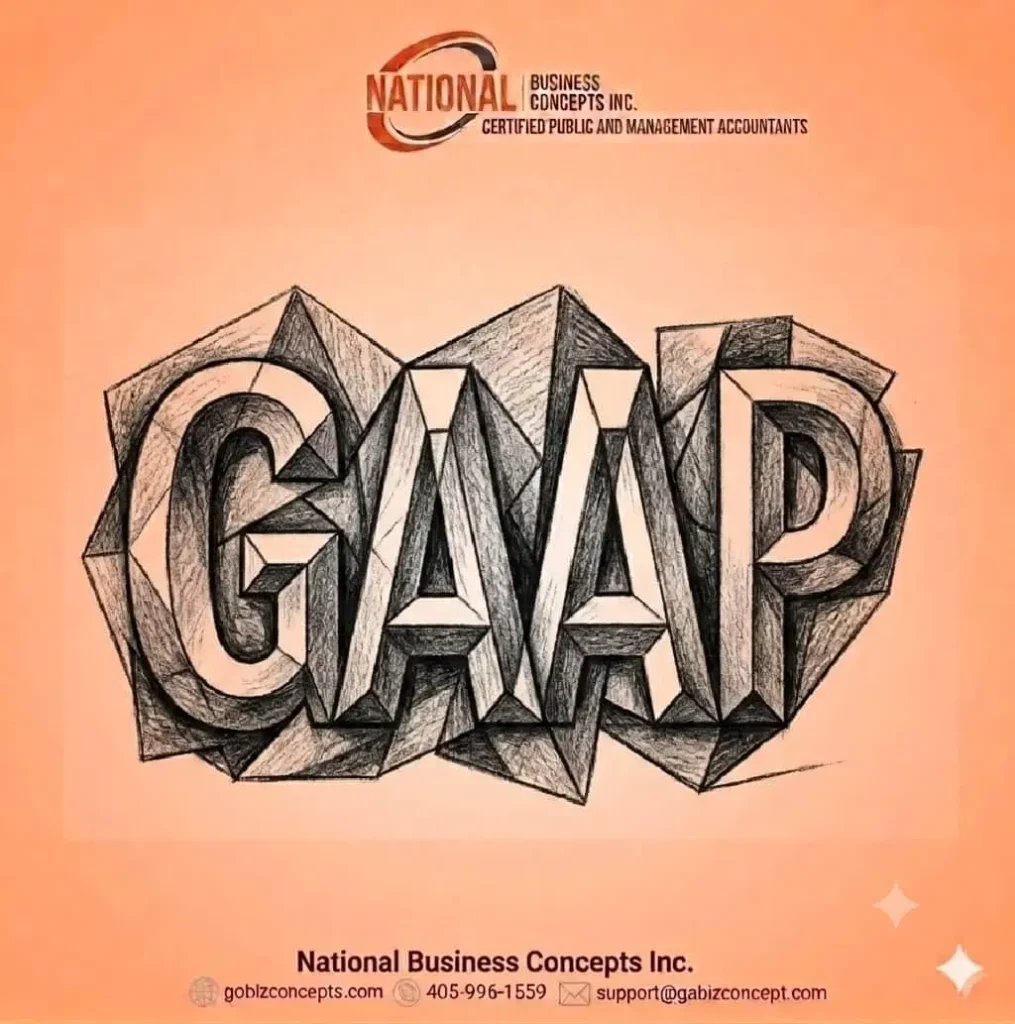
According to the sketch being made, the GAAP framework regulates financial reporting by providing a structured set of principles, standards, and codes that ensure consistency, transparency, and comparability across entities. Financial statements are prepared under this framework to safeguard stakeholders and maintain legal compliance. FASB Accounting Standards Codification is applied by accountants, auditors, and regulators to interpret and enforce reporting practices. Through the mandate of adherence to GAAP, reliability in disclosures is promoted, investor confidence is reinforced, and accountability in corporate governance is maintained across the financial reporting environment.
GAAP legal implications
Accordingly, the legal implications of Generally Accepted Accounting Principles (GAAP) are established through its recognition by the Securities and Exchange Commission (SEC), which mandates compliance for publicly traded companies to ensure transparency and investor protection. GAAP principles, standards, and codes are enforced through the FASB Accounting Standards Codification, which serves as the authoritative source of accounting guidance. By requiring adherence to GAAP, the SEC ensures that financial statements are prepared consistently, thereby reducing misrepresentation and safeguarding stakeholders. Coordination with other regulatory institutions, such as the Internal Revenue Service and the Public Company Accounting Oversight Board, reinforces accountability and comparability across industries. Through this interconnected framework, GAAP functions as both a technical and legal foundation for corporate governance and financial reporting.
FASB’s Maintenance of GAAP
FASB updates and maintains GAAP through a structured process designed to ensure transparency, consistency, and responsiveness to evolving financial practices. Proposed changes are introduced through exposure drafts, which invite public comment from stakeholders, including auditors, preparers, regulators, and investors. This participatory approach allows diverse perspectives to be considered before standards are finalized. Once feedback is reviewed, authoritative updates are issued through the FASB Accounting Standards Codification, which consolidates all guidance into a single, coherent framework.
The maintenance of Generally Accepted Accounting Principles is reinforced by FASB’s ongoing monitoring of economic, regulatory, and industry developments that may affect financial reporting. Regular updates are issued to clarify, amend, or expand existing standards, ensuring that accounting practices remain aligned with legal requirements and stakeholder needs. Again, coordination with institutions such as the Securities and Exchange Commission strengthens the enforceability of these updates, while collaboration with international bodies, like the International Accounting Standards Board (IASB,) facilitates convergence with global standards. Through this systematic oversight, FASB ensures that GAAP remains authoritative, adaptable, and legally recognized.
Other Accounting Standards Institutions
Other accounting standards institutions are represented globally to complement or converge with GAAP, with the International Accounting Standards Board (IASB) serving as the most prominent body. IASB is responsible for developing International Financial Reporting Standards (IFRS), which are applied in numerous jurisdictions to promote comparability across borders. In addition, the International Federation of Accountants (IFAC) issues guidance on ethics and auditing, while the Public Company Accounting Oversight Board (PCAOB) in the United States enforces auditing standards for public companies. National institutions, such as the Canadian Accounting Standards Board (AcSB) and the UK’s Financial Reporting Council (FRC,) also maintain frameworks aligned with international practices. Through these institutions, accounting standards are harmonized, ensuring transparency, accountability, and global consistency.
Conclusion
Generally Accepted Accounting Principles in the United States are applied as a framework of accounting principles, standards, and codes to regulate financial reporting, ensuring comparability and reliability across entities. It is administered by the FASB, established in 1973, replacing the APB, which had been criticized for limited independence and effectiveness. To consolidate guidance, the FASB introduced the ASC in 2009, organizing authoritative rules into topics, subtopics, sections, and paragraphs. This hierarchical system simplified research, eliminated redundancy, and provided clarity for preparers, auditors, and regulators. GAAP’s legal implications are reinforced through recognition by the SEC, which mandates GAAP compliance for public companies. Globally, institutions such as the IASB complement GAAP by issuing IFRS, promoting transparency and comparability across jurisdictions.
By Richard Thomas
